The Communication Gap That Drives Costly Construction Errors.
A crack in the render is a technical problem
Working from the wrong drawing revision is not.
That is why Communication Intelligence is a
commercial lever—closing the gap between what was said, what was heard, and what was actioned on site.
And on a busy site, that gap is often invisible until the damage is already done.
By then, teams are dealing with delays, rework, frustration, and avoidable cost.
The real issue isn’t just the mistake itself — it’s the missed chance to catch it early.
Better communication closes that gap before it becomes expensive.
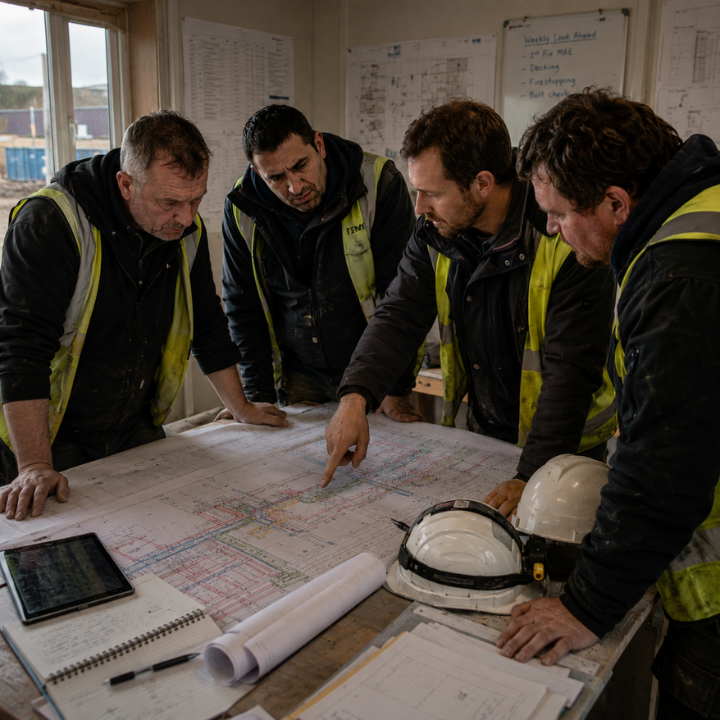
Experience built in construction. Not borrowed from a business book.
Most messages don’t fail because they weren’t sent.
They fail because they weren’t heard — not really. Not clearly enough to be understood, acted on, and passed down the chain without being watered down at every handover.
On a construction project, a message that loses a little at each step is a message that arrives wrong.
Speak so people can hear, and the rework, the disputes and the near-misses start to fall away — while margin and safety start to climb.
Speak so people can hear.

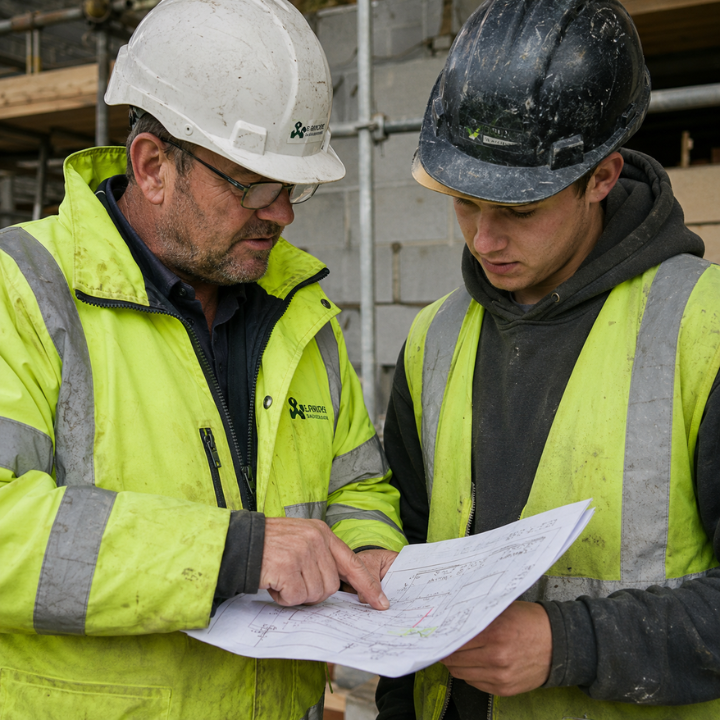
Most messages don’t fail because they weren’t sent.
They fail because they weren’t heard — not really. Not clearly enough to be understood, acted on, and carried down the chain without being watered down at every handover.
And it often starts in the meeting. You see it in every design and progress meeting: heads nodding at something nobody’s actually followed — and the one person who senses it’s wrong saying nothing, in case they’re the one who’s got it wrong.
So the doubt stays in the room. The decision goes out anyway. And a message that was already wrong loses a little more at every handover after it.
Speak so people can hear, and the rework, the disputes and the near-misses start to fall away — while margin and safety start to climb.
Why This Isn't Soft-Skills Training
The Usual “Communication Training”
- Generic soft-skills, off the shelf
- Role-play that dies in the room
- Run by people who’ve never set foot on a site
- “Be a better listener”
- Treated as a nice-to-have
- Forgotten by Friday
The Len Foster Approach
- Built for construction, by someone who’s done the job
- Framed in money, risk, safety and margin
- 40 years of real projects behind every point
- Conversations that change what actually happens on site
- Treated as a commercial lever — because it is
- Tools your people use on Monday morning
How We Can Work Together
Training — CPD-accredited communication, confidence and decision-making programmes for your teams and your leaders.
Coaching — one-to-one leadership coaching for the people who set the tone.
Workshops — practical, hands-on sessions built around your live challenges.
Run a smaller firm? The Referral Edge helps SME builders grow through trusted referrals. → *(link to the Referral Edge page)*
Author of 5 Books · 40 Years in Construction · Professional Speaker
Stop paying for conversations that never happened.
If poor communication is quietly costing your business money, let’s talk about fixing it.
Book Len for your event >> Enquire about training