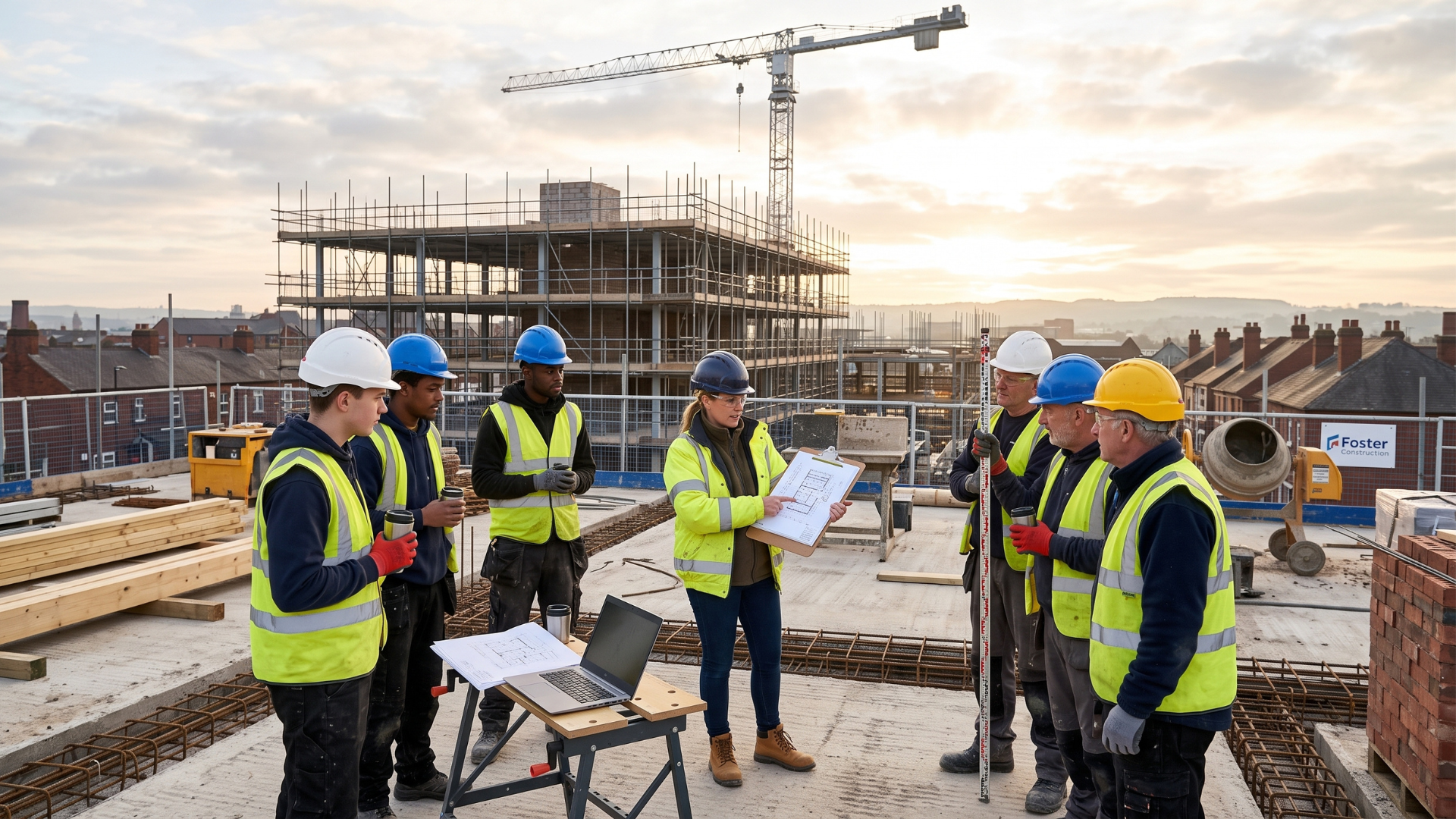
A poor morning briefing sets a bad tone for the entire working day. When instructions are vague, site errors follow quickly.
In the UK building sector, simple communication breakdowns cost billions every year. Rework drains profits and causes project delays.
Reducing site errors through better briefings is one of the fastest ways to protect your margins. Clear morning talks and updates ensure everyone knows their exact daily role.
A poor morning briefing sets a bad tone for the entire working day. When instructions are vague, site errors follow quickly.
In the UK building sector, simple communication breakdowns cost billions every year. Rework drains profits and causes project delays.
Reducing site errors through better briefings is one of the fastest ways to protect your margins. Clear morning talks and updates ensure everyone knows their exact daily role.
Key Takeaways
- Clear Structure: Standard steps prevent missed daily site details.
- Two Way Talk: Confirm understanding by asking teams to explain.
- Visual Tools: Use drawings to make complex tasks clear.
- DACE Model: Match briefing style to site team personalities.
Why Traditional Site Briefings Fail
Many site managers run briefings as a quick one way talk. They read out tasks, ask “any questions?”, and send teams to work.
This approach assumes that hearing a message means understanding it. In real life, workers process words through their own experience and site stress.
When managers rush through talks, vital details get missed. Trade teams leave the briefing with different ideas about site priorities.
To fix this gap, leaders must master communication intelligence in construction. Intelligence starts before you open your mouth.
Structuring a High-Impact Morning Briefing
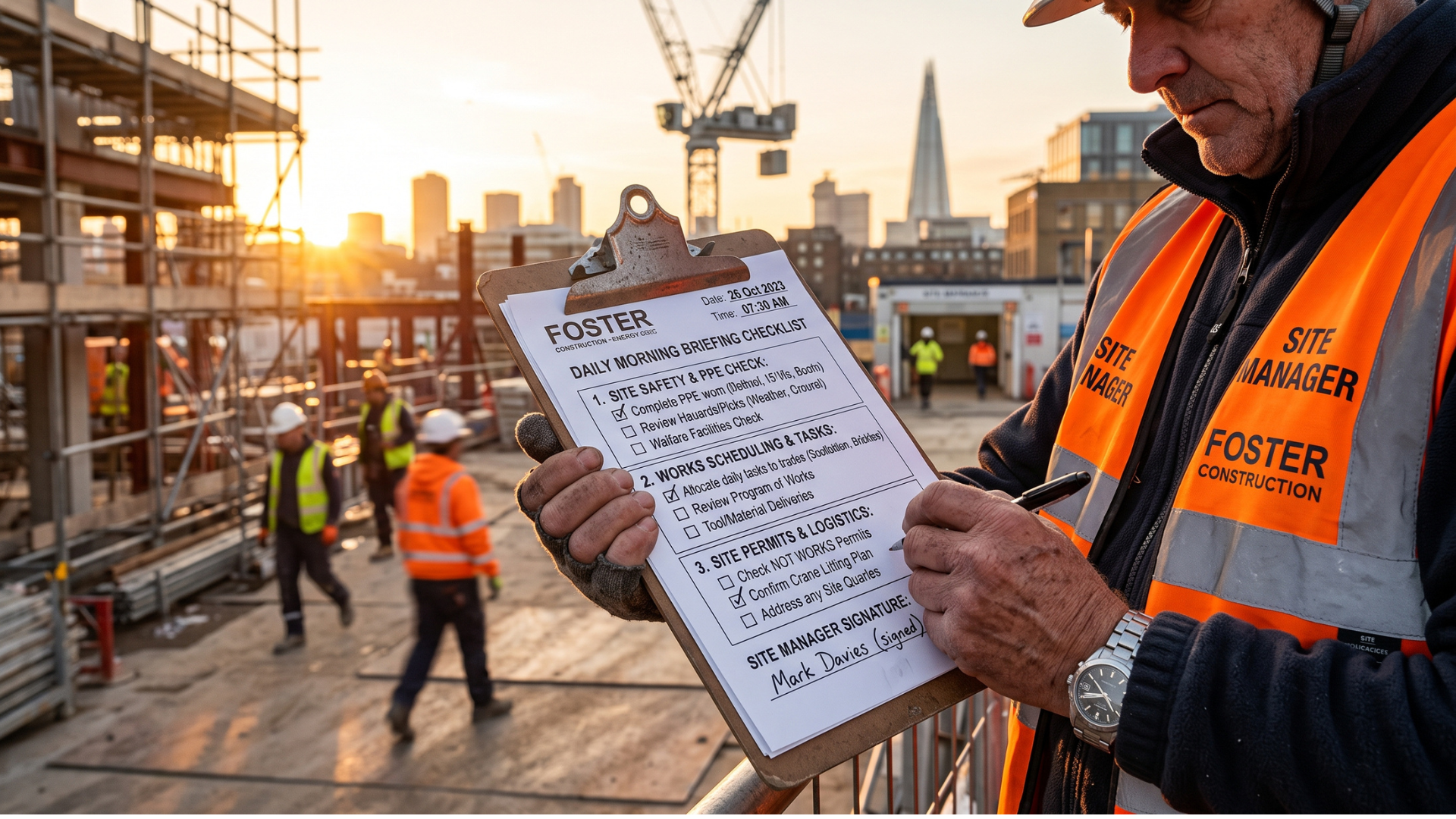
A good briefing needs a clear, predictable structure. Keeping your format simple helps site teams stay focused on key details.
- Set the Context: Start with the main goal for the day. Explain why the task matters and state key deadlines clearly.
- Highlight Site Risks: Cover safety hazards and physical obstacles. Point out where trades might overlap on site.
- Assign Clear Actions: Name specific people for specific outcomes. Avoid using general phrases like “someone needs to clear this”.
Using a standard structure keeps your talks short and effective. It ensures critical site information gets shared every morning.
Using Visual Aids to Improve Understanding
Words alone are rarely enough on a busy building site. Noise, weather, and distractions make verbal orders hard to retain.
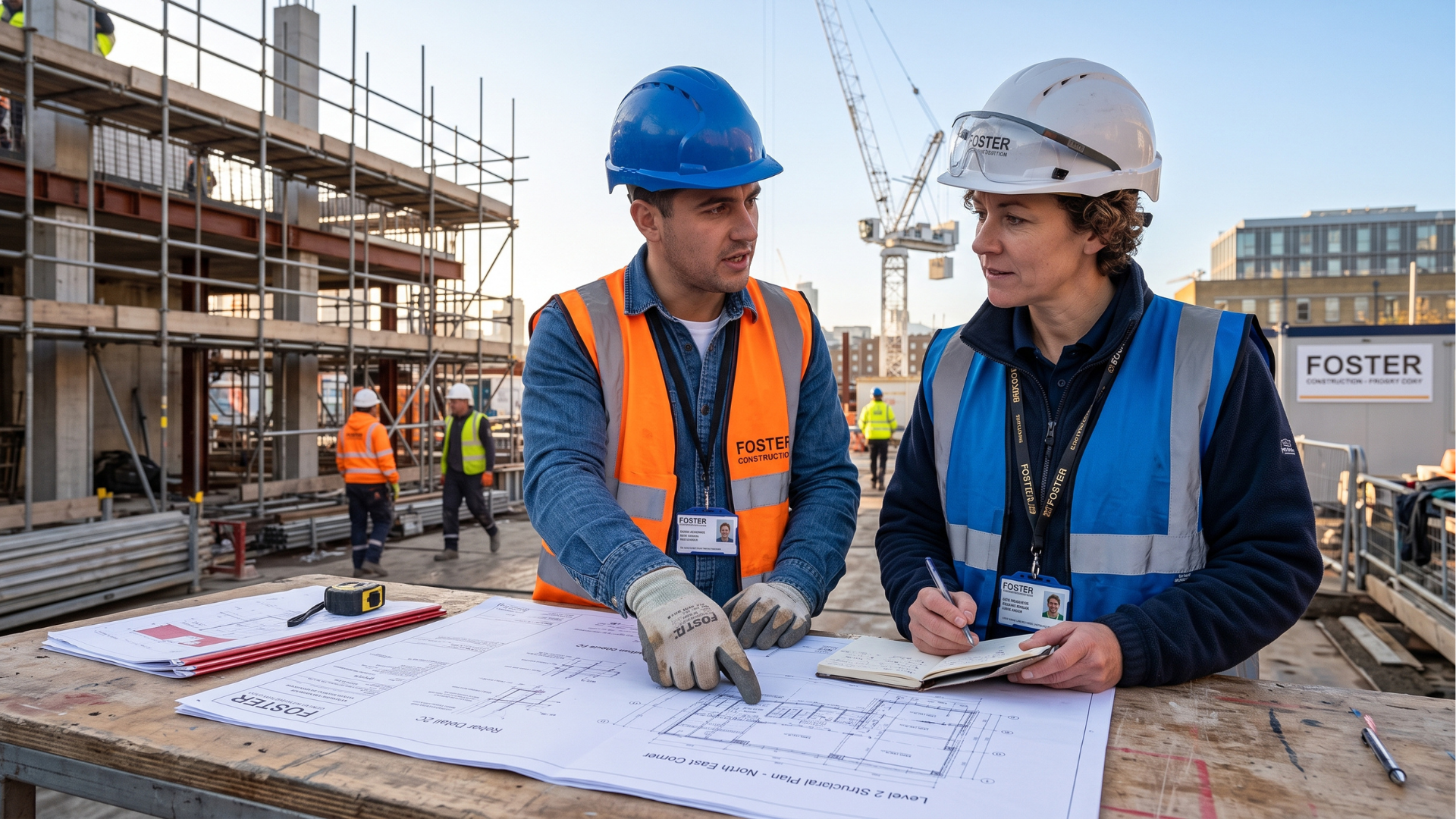
Visual tools make complex steps tangible. Always bring physical site drawings, material samples, or 3D models to your daily talk.
Point directly to key details on the drawings during the discussion. Showing the data visually helps drivers and analysts absorb facts fast.
Walking the site space with your trade leads is another great visual tool. Physical site walks allow teams to spot potential problems before work starts.
Closing the Loop: Two-Way Communication
The biggest mistake in site briefings is asking “does everyone understand?”. Most workers will simply nod, even if they have doubts.
Nobody wants to look silly in front of their workmates. To confirm real understanding, ask open questions that reveal thinking.
For example, ask a trade lead: “What is your first step when you get to the work face?”. Their answer proves if your message landed correctly.
Having workers explain tasks back to you removes dangerous assumptions. Following UK site safety guidance on clear briefings keeps sites safe and error free.
Adapting Briefings to the DACE Framework
Different site workers digest information in different ways. Using the DACE framework helps you adapt your briefing style.
- Drivers: Give them top line goals, deadlines, and direct targets. Keep setups brief.
- Analysts: Provide exact specs, numbers, and logical reasons for task sequences.
- Connectors: Acknowledge team efforts and check how site conditions affect trade welfare.
- Explorers: Explain the bigger project vision and ask for their ideas on solving site snags.
Tailoring your delivery style ensures your message resonates with every worker. Matching styles drives faster site action and better cooperation.
FAQs:
Q: How long should a morning site briefing last?
A: A site briefing should last between 10 to 15 minutes to keep teams engaged without losing valuable working time.
Q: How do you ensure workers understand briefing instructions?
A: Ask workers open questions to explain the task back to you in their own words rather than asking if they understand.
Q: What is the difference between a toolbox talk and a pre-task briefing?
A: A toolbox talk focuses on general safety topics, while a pre-task briefing covers specific daily tasks, roles, and site risks.
Final Thoughts:
Reducing site errors through better briefings is within reach for every construction lead. By moving away from one-way lectures and using simple structures, visual tools, and two-way checks, you can eliminate costly misunderstandings. Clearer site briefings lead to safer working spaces, fewer rebuilds, and predictable project profits.
Speak soon.
P.S. If you’d like to find out how improving confidence, communication and decision making can benefit your business. Solve that problem here.

- Why Site Teams Don’t Speak Up (And How to Fix It) - August 26, 2026
- Reducing Site Errors Through Better Briefings: A Practical Guide - August 14, 2026
- Communication Intelligence in Construction: A Proven Way to Cut Rework Costs - August 7, 2026