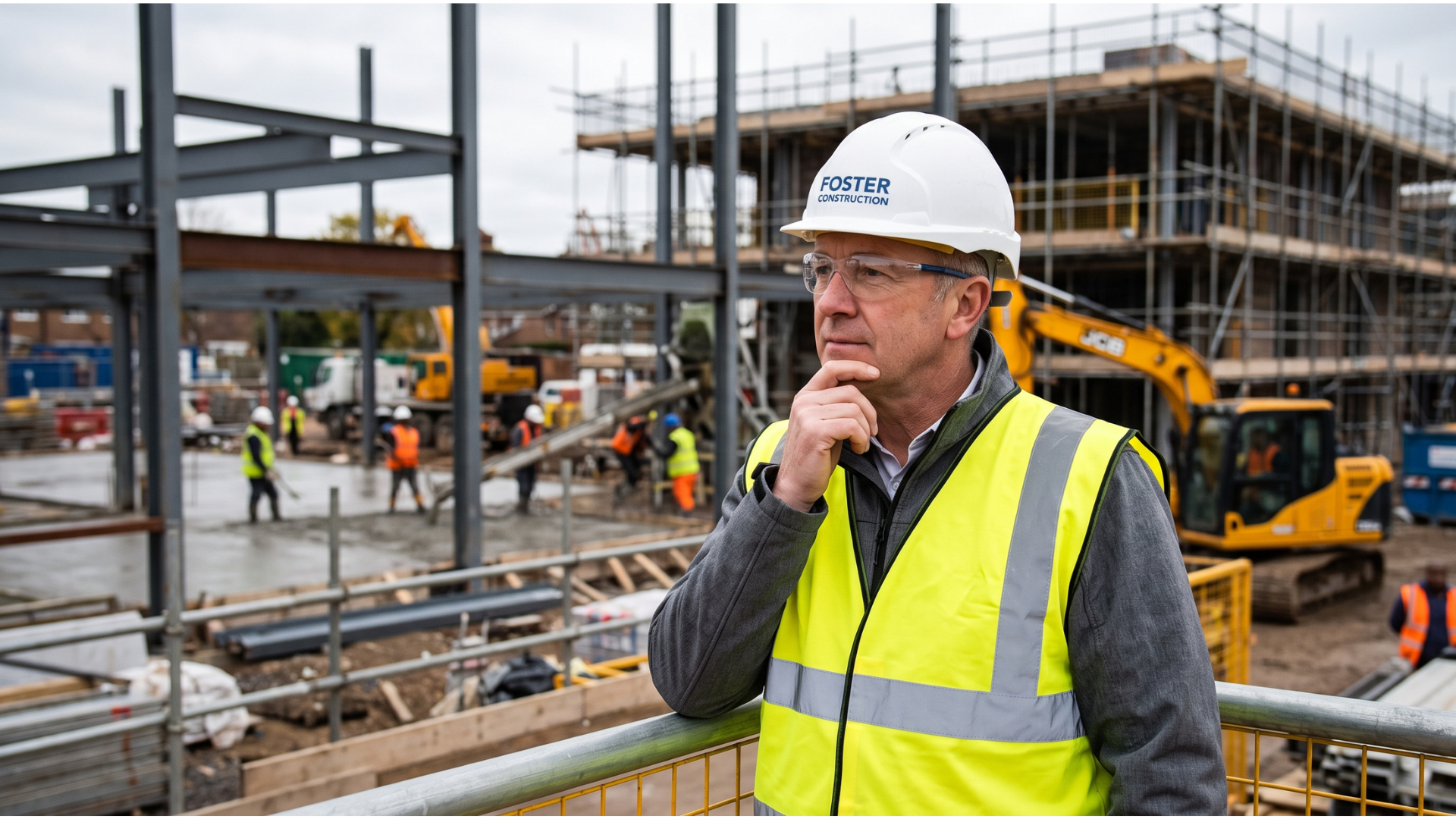
In construction, silence is rarely golden. More often, silence is the sound of an expensive mistake waiting to happen.
When a foreman spots a clash on a revision drawing or notices a missing fixing detail, they face a choice. They can speak up immediately, or they can say nothing, hope for the best, and keep working.
When site teams choose silence, project margins suffer. Small assumptions compound rapidly into major structural delays and commercial claims.
Key Takeaways
- Early Detection: Catching errors on paper costs pennies compared to fixing poured concrete.
- Psychological Safety: Removes the fear of blame that causes site teams to hide mistakes.
- DACE Tailoring: Explains why different site personalities react differently to site stress.
- Margin Protection: Stops minor conversational gaps from escalating into £50k rework bills.
Why Site Teams Stay Silent
Site managers, foremen and engineers do not keep quiet out of malice. They stay quiet because of blame culture, fear of ‘taking the can’, based on past experience.
- Fear of Blame: Workers worry that raising an issue will make them look incompetent or slow down the programme.
- Hierarchical Friction: Sub-contractors often feel their feedback is dismissed by main contractor management.
- Time Pressure: High-stress environments incentivise speed over stopping to verify unconfirmed details.
- Personality Misalignment: Communicating with the idea that everyone is the same creates friction rather than clarity.
When team members feel unsafe raising concerns, mistakes get buried. Applying communication intelligence in construction ensures that site teams feel empowered to flag risks early without fear of backlash.
The Financial Impact of Unspoken Errors
The cost of an error increases exponentially the longer it remains hidden.
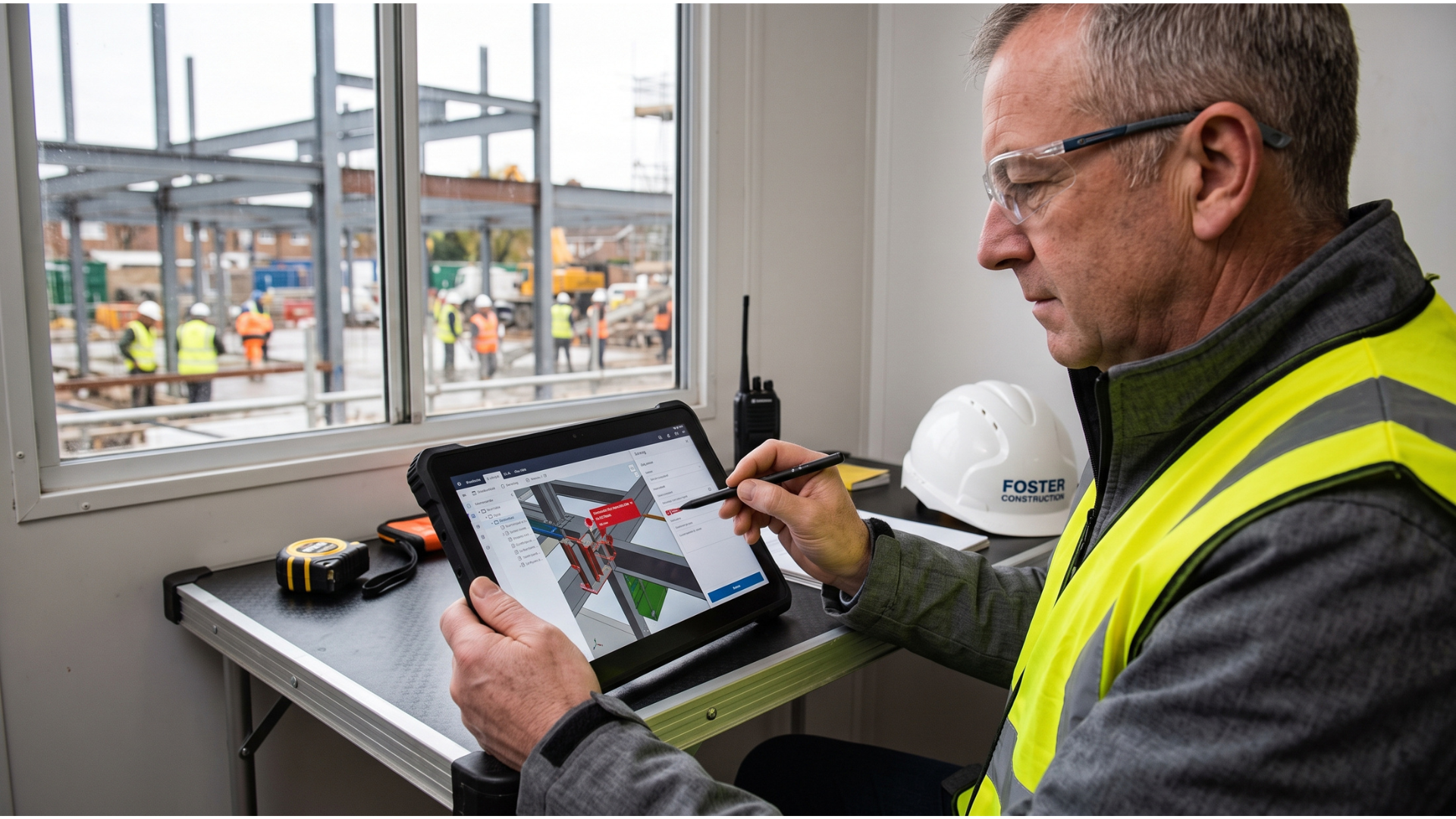
A drawing discrepancy spotted in the site offic may cost nothing to correct. Spotted during setting out, it might cost a few lost hours. Spotted after concrete is poured or steelwork is erected, it could turn into a £50k rework bill.
Research demonstrates that human communication failure—not technical incompetence—drives the vast majority of avoidable site variations. Addressing the cost of silence directly protects project profitability.
Building a Culture of Early Reporting
To eliminate unspoken site errors, leaders must change how feedback is received on site.
- Reward Early Flags: Treat spotted errors as money saved rather than time lost.
- Close the Feedback Loop: When member of staff brings an issue to light, confirm the resolution immediately.
- Normalize Two-Way Briefings: Start every shift by reducing site errors through better briefings that invite questions.
- Adapt Communication Styles: Use the DACE model to ensure instructions match how different team members process information.
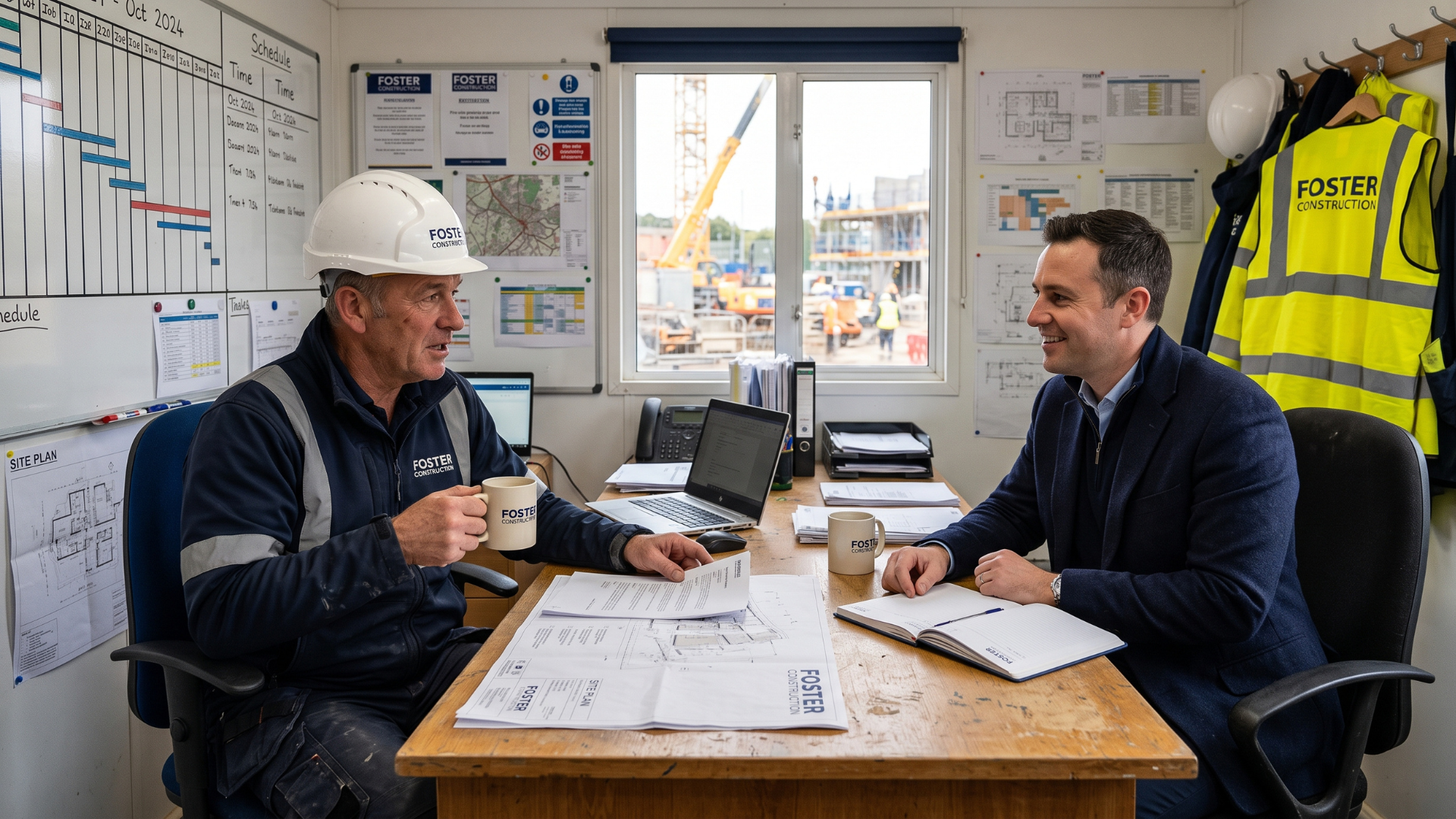
When site managers create an environment where raising an issue is valued, silence stops draining your project margin.
FAQs:
Q: What is the cost of silence in construction?
A: It refers to the hidden financial and operational costs created when site workers notice errors, clashes, or unclear instructions but hesitate to speak up, leading to preventable rework.
Q: How can site managers encourage teams to report errors early?
A: By framing early error detection as a cost-saving win, removing blame from daily interactions, and using structured two-way briefings to confirm task understanding.
Q: How does psychological safety affect construction margins?
A: When teams feel safe flagging issues without fear of anger or delay blame, problems are resolved on paper or during prep—saving thousands in material and labor costs.
Final Thoughts:
Stopping the cost of silence requires more than just telling teams to “speak up.” It demands a conscious effort to build communication intelligence across every level of your site operations. When companies endorse open, clear dialogue, teams flag issues early, margins stay protected, and projects run smoother from start to finish.
Speak soon.
P.S. If you’d like to find out how improving confidence, communication and decision making can benefit your business. Solve that problem here.

- Why Site Teams Don’t Speak Up (And How to Fix It) - August 26, 2026
- Reducing Site Errors Through Better Briefings: A Practical Guide - August 14, 2026
- Communication Intelligence in Construction: A Proven Way to Cut Rework Costs - August 7, 2026